

What Your Oral Health Reveals About Your Overall Health
Nobody enjoys hearing bad news at the dentist’s office. However, your teeth and gums are more than just a smile—they reflect the overall health of your entire body. In fact, oral hygiene can reveal how well you take care of other organs, and a simple dental check-up can even uncover hidden health problems.
Why Oral Examinations Are So Important
A standard oral exam can reveal conditions related to the bones, heart, and digestive system, since many diseases leave visible signs inside the mouth. Moreover, regular dental visits not only help detect issues early but also prevent them from developing further.
👉 Did you know? Research shows that people who regularly have their teeth professionally cleaned are 24% less likely to suffer a heart attack and 14% less likely to experience a stroke compared to those who neglect their oral health.
Dementia and Oral Health
The gradual decline of cognitive function—such as memory loss, disorganization, and impaired thinking—is often linked with problems in oral hygiene.
- Poor oral hygiene can be both a symptom of dementia and a contributing factor.
- Periodontal bacteria may travel to the brain, triggering inflammation and worsening cognitive decline.
If you notice a loved one neglecting their oral care, missing dental appointments, or struggling with daily routines, it’s important to seek medical advice.
Heart Disease: The Hidden Connection
Oral health and cardiovascular health are deeply connected.
- Inflamed gums and tooth loss may signal underlying heart disease.
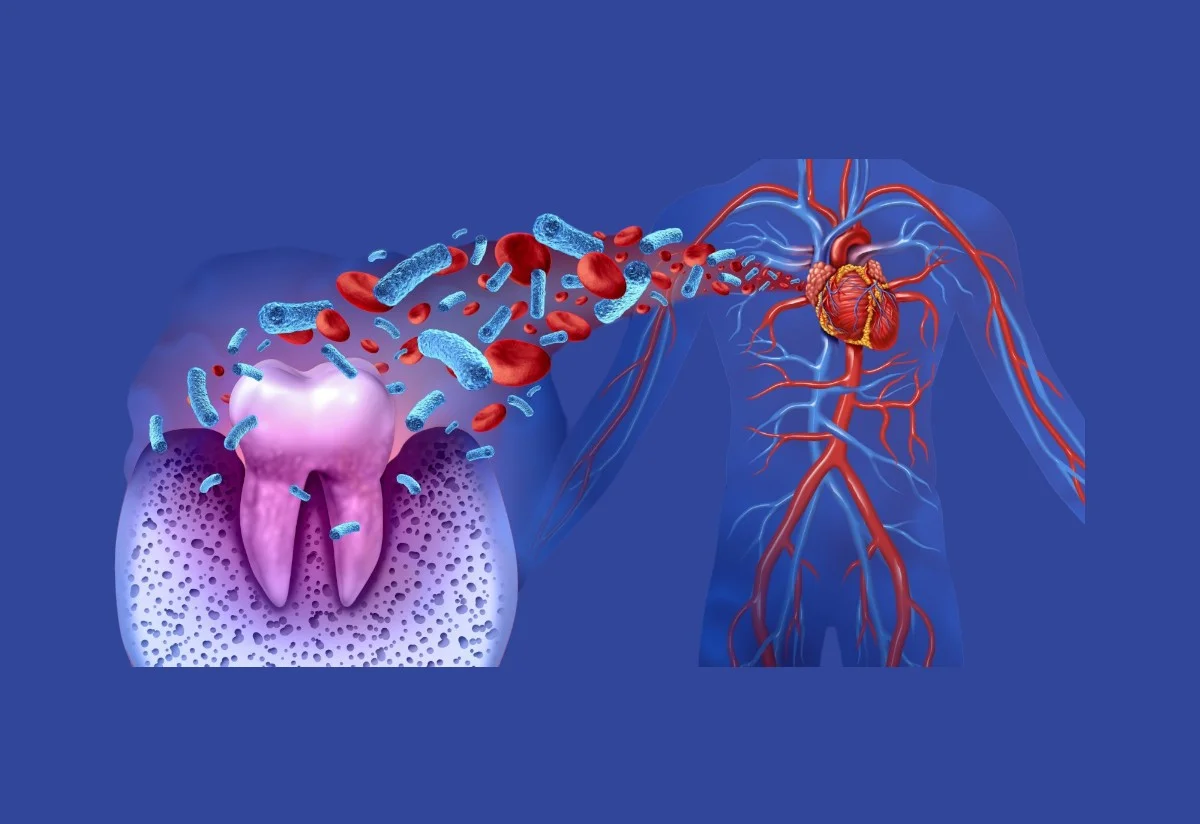
- Gum disease (periodontitis) allows harmful bacteria to enter the bloodstream, potentially causing ischemic heart disease.
- Bacteria may also contribute to blood clot formation, disrupting normal circulation.
✅ Regular dental cleanings and gum treatments are essential not only for a bright smile but also for a healthy heart.
Diabetes and Gum Health
People with diabetes are at higher risk of gum disease. Common signs include:
- Bleeding gums
- Loose teeth
- Slow healing of oral wounds
Gum infections can make diabetes more difficult to manage and increase the risk of heart attacks and strokes. This is why maintaining strong oral health is critical for diabetic patients.
Osteoporosis and Oral Health
Osteoporosis weakens bone tissue, especially in postmenopausal women.
- While it does not directly damage teeth, it affects the jawbones that support them.
- This may lead to gum recession and tooth loss.
Dentists can often detect early signs of osteoporosis during routine check-ups, making timely treatment essential.
Eating Disorders: Clues Found in the Mouth
Patients with anorexia or bulimia often hide their condition, but dentists may be the first to notice warning signs.
- Poor nutrition leads to bleeding gums and dry mouth.
- Frequent vomiting in bulimia can cause tooth enamel erosion, especially on the inside of the front teeth.
Such changes should never be ignored, as they reveal much about a patient’s overall well-being.
Nighttime Acid Reflux (GERD)
Erosion on the back of the front teeth—particularly the upper molars—can indicate gastroesophageal reflux disease (GERD).
- Acid regurgitation often happens at night without being noticed.
- Untreated reflux can cause esophageal erosion and even lead to cancer.
Dentists often recognize these hidden signs before patients themselves.
Dry Mouth (Xerostomia)
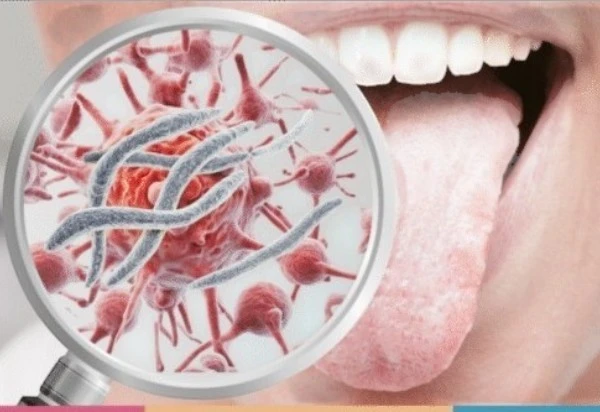
Saliva protects the mouth by washing away bacteria and plaque. When saliva production is too low:
- The risk of tooth decay and gum disease increases.
- Causes may include medications, diabetes, or Parkinson’s disease.
💡 To improve saliva flow, doctors recommend drinking more fluids and sometimes using saliva substitutes.
Dry Mouth (Xerostomia)
Saliva protects the mouth by washing away bacteria and plaque. When saliva production is too low:
- The risk of tooth decay and gum disease increases.
- Causes may include medications, diabetes, or Parkinson’s disease.
💡 To improve saliva flow, doctors recommend drinking more fluids and sometimes using saliva substitutes.
Final Thoughts
Your smile does more than brighten your face—it reflects your overall health. From heart disease to diabetes and even dementia, oral health provides valuable clues about your body’s condition.
➡️ By maintaining good oral hygiene, scheduling regular dental check-ups, and addressing issues early, you protect not only your teeth but also your long-term health.